


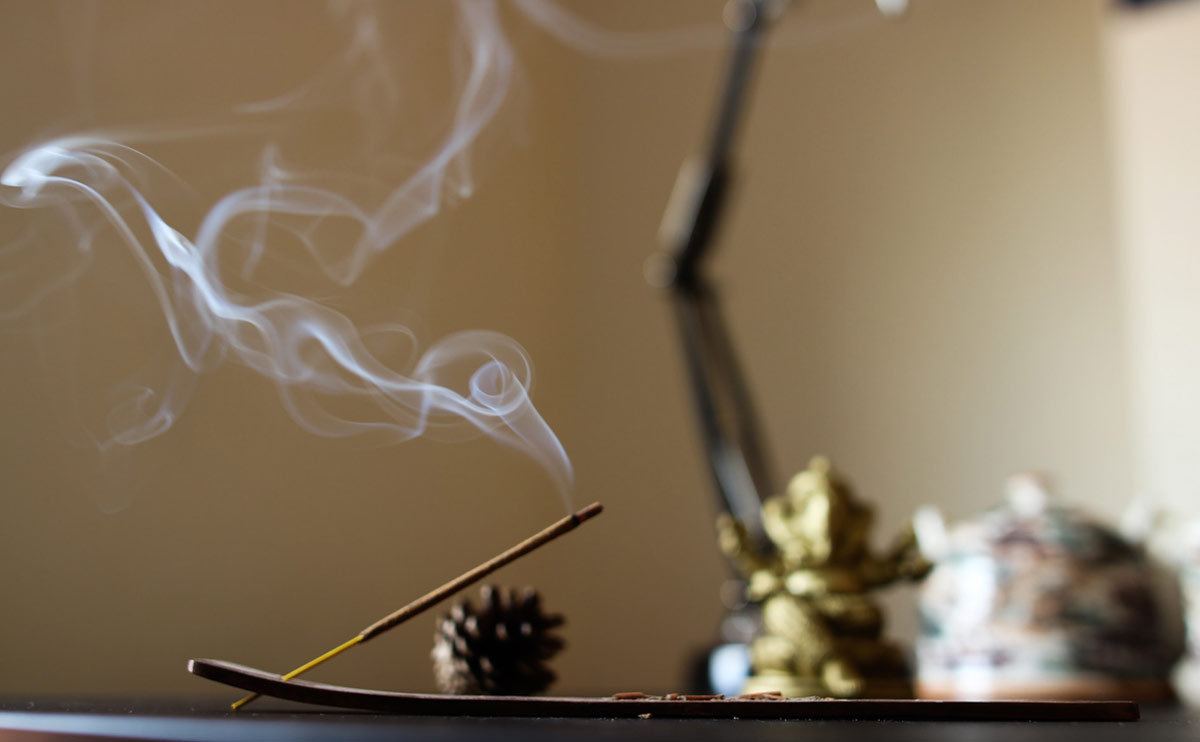
Meditation and yoga are often practiced to create a sense of balance, awareness, and calm in everyday life. A quiet room, comfortable surroundings, controlled breathing, and a consistent routine can make these practices more enjoyable. For many people, fragrance is another simple element that can help establish the right atmosphere.
Choosing the best incense for meditation and yoga practices is not simply about finding the strongest fragrance. The aroma should complement your routine without becoming distracting. Depending on personal preference, some people may enjoy warm sandalwood, soft lavender, floral jasmine, earthy patchouli, or refreshing lemongrass.
Whether you meditate in the morning, practise yoga in the evening, or simply want a peaceful corner at home, the right incense can become part of your personal ritual.
Why Use Incense During Meditation and Yoga?
Incense has been associated with spiritual and cultural practices for generations. Its fragrance can become a familiar part of a routine and help distinguish practice time from the rest of the day.
For some people, lighting an incense stick before meditation or yoga helps prepare the space mentally. The fragrance can create a pleasant sensory experience while you focus on breathing, movement, and mindfulness.
Some reasons people choose incense for their practice include:
- Creating a peaceful atmosphere
- Adding a pleasant fragrance to the practice area
- Establishing a consistent meditation ritual
- Making a yoga space feel more inviting
- Supporting a relaxing evening routine
- Introducing familiar sensory cues before mindfulness practice
It is important to remember that incense is an atmospheric addition rather than a replacement for established meditation or yoga techniques.
Best Incense Fragrances for Meditation & Yoga
Different fragrances create different sensory experiences. The best option depends on your personal taste, the time of day, and the type of practice you are doing.
Sandalwood
Sandalwood is one of the most recognizable traditional incense fragrances. Its warm, woody character makes it a popular choice for people who prefer deeper and more traditional aromas.
For meditation, sandalwood can work well in a quiet setting where a familiar fragrance helps establish a consistent routine. It can also complement prayer, breathing exercises, and slow yoga sessions.
If you prefer rich, woody fragrances rather than sweet floral aromas, sandalwood can be an excellent starting point when selecting incense for meditation.
Lavender
Lavender is widely associated with soft floral fragrance and relaxation. Its gentle character can suit people who prefer a lighter aroma while practising mindfulness or slow yoga.
Lavender incense may be particularly appealing for an evening routine. After a busy day, preparing a quiet space with a comfortable fragrance can make your meditation or stretching session feel more intentional.
For those searching for best incense for meditation and yoga, lavender is worth considering if you enjoy subtle floral scents.
Jasmine
Jasmine offers a distinctive sweet and floral fragrance. Its recognizable aroma can bring a fresh and uplifting character to a meditation or yoga environment.
Jasmine may be suitable for morning routines when you want a pleasant fragrance while beginning your day. It can also be used during light yoga, breathing exercises, or general mindfulness sessions.
As fragrance preferences differ from person to person, start with an aroma that you personally enjoy rather than selecting a scent solely because it is popular.
Frankincense
Frankincense has a long association with religious and ceremonial traditions. Its resinous, warm aroma can create a traditional atmosphere that some people may prefer during meditation or prayer.
The fragrance can suit individuals who enjoy deeper and more distinctive aromas. It may be particularly appropriate for a dedicated meditation area where incense is already part of the established routine.
When using any incense indoors, adequate ventilation and responsible burning practices are important.
Patchouli
Patchouli has an earthy and slightly sweet fragrance. Compared with lighter floral aromas, it offers a deeper scent profile that may appeal to people who prefer natural, grounding fragrance experiences.
It can be considered for slower yoga routines, meditation, or quiet evening practices. Patchouli may also work well when you want your practice area to have a warm and earthy character.
The best choice ultimately comes down to whether the fragrance feels comfortable and non-distracting.
Rose
Rose incense offers a soft and recognizable floral aroma. People who enjoy traditional floral fragrances may find rose suitable for meditation, prayer, or relaxation routines.
Its fragrance can add a gentle character to a personal meditation space without requiring an elaborate setup. A single incense stick can become part of a simple ritual before sitting down for mindfulness practice.
Lemongrass
Lemongrass has a fresh and crisp fragrance that can be appealing during morning routines. Its brighter aroma may suit people who prefer refreshing fragrances over rich or sweet scents.
Lemongrass incense can be considered before a more active yoga session or at the beginning of the day when you want a fresh-feeling environment.
Which Incense Is Best for Meditation?
There is no single fragrance that can be called the best incense for meditation for every individual. Personal preference plays a major role.
For someone who enjoys traditional woody aromas, sandalwood may be a natural choice. Those who prefer floral fragrances may select lavender, jasmine, or rose. People who enjoy earthy aromas may prefer patchouli, while those who like fresh fragrances may choose lemongrass.
The most suitable incense is one that:
- Has a fragrance you enjoy
- Does not distract you during meditation
- Fits the size of your practice space
- Matches your preferred intensity
- Can be used safely in the environment
Meditation should remain comfortable. If a particular fragrance feels too strong or irritating, choose a milder option or discontinue its use.
Best Incense for Yoga Practices
Yoga combines movement, breathing, concentration, and awareness. The fragrance used during a yoga session should therefore complement the practice rather than dominate the room.
For gentle morning yoga, some people may prefer fresh or floral fragrances such as lemongrass or jasmine.
For slower evening yoga, softer aromas such as lavender or sandalwood may be preferred.
For meditation-focused yoga sessions, traditional fragrances such as sandalwood or frankincense can be considered by those who enjoy deeper aromas.
The best incense for meditation and yoga practices is ultimately the one that feels pleasant and supports a comfortable environment.
How to Select Incense Based on Your Routine
Rather than choosing incense randomly, think about when and how you practise.
Morning Meditation
A fresh or light fragrance can complement a morning routine. Lemongrass or jasmine may appeal to people who prefer bright and floral aromas.
Evening Meditation
For evening mindfulness, many people prefer softer and warmer fragrance profiles. Lavender, sandalwood, or rose can be considered according to personal preference.
Gentle Yoga
Slow stretching and breathing exercises can be paired with a fragrance that remains subtle and comfortable.
Active Yoga
For movement-focused sessions, choose an aroma that does not become overwhelming as your breathing and activity increase.
Prayer and Spiritual Practice
Traditional fragrances such as sandalwood and frankincense may appeal to people who associate these aromas with prayer and spiritual routines.
Natural Incense and Fragrance Choices
Some consumers specifically look for natural incense or products featuring traditional aromatic ingredients. When making a purchase, it is useful to read the product packaging and manufacturer’s information rather than assuming that a product is natural based solely on its fragrance name.
Look for clear information about:
- Ingredients or fragrance composition where provided
- Product type
- Recommended usage
- Burning instructions
- Storage guidance
- Manufacturer details
Transparent product information can help customers make a more informed purchasing decision.
How to Create a Better Meditation Space With Incense
Creating a peaceful meditation area does not require an elaborate setup. A few simple steps can make the environment more comfortable.
Keep the Space Clean
A tidy practice area can make it easier to settle into your routine.
Select a Comfortable Fragrance
Choose an aroma that you already enjoy. Avoid fragrances that feel too intense.
Use Incense Before Starting
Lighting the incense shortly before beginning can allow the fragrance to become part of the environment before you settle into meditation.
Maintain Ventilation
Keep suitable airflow in the room. The goal is to enjoy the fragrance without allowing excessive smoke to accumulate.
Keep the Routine Consistent
Using a familiar fragrance as part of a regular routine can help create a recognizable transition into meditation or yoga time.
Tips for Choosing the Best Incense for Meditation and Yoga Practices
Before purchasing incense, keep these practical tips in mind:
- Choose fragrance according to personal preference.
- Consider whether you prefer floral, woody, earthy, or fresh aromas.
- Start with a mild fragrance if you are new to incense.
- Consider the size and ventilation of your practice room.
- Select the format that fits your routine.
- Read product instructions carefully.
- Avoid leaving burning incense unattended.
- Keep incense away from flammable objects.
- Use a stable, heat-resistant holder.
- Stop using the product if the fragrance causes discomfort.
These simple steps can help create a more pleasant and responsible incense experience.
Mogra and Other Floral Incense Options
Floral fragrances remain popular among incense users because they offer familiar and recognizable aromas. Mogra, rose, and jasmine are examples of floral fragrance profiles that can be incorporated into suitable home and spiritual routines.
For people who enjoy traditional Indian floral aromas, Mogra Wet Dhoop Sticks can provide an alternative to conventional incense sticks.
The choice between incense sticks and wet dhoop products depends on individual preference and the desired product format.
Incense Sticks or Dhoop Cones: Which Should You Choose?
Both formats can be suitable for fragrance routines, but consumers may prefer one over the other based on convenience and personal taste.
Incense Sticks
Incense sticks are familiar, versatile, and commonly used for prayer, meditation, and home fragrance.
Dhoop Cones
Dhoop cones provide a compact alternative and are available in different fragrance profiles. They can be used in suitable spaces with an appropriate heat-resistant holder.
There is no universally better format. Choose according to your routine, fragrance preference, and product instructions.
Why Fragrance Preference Matters
Fragrance affects people differently. One person may find sandalwood comforting, while another may prefer the sweetness of jasmine or the freshness of lemongrass.
This is why choosing incense should be a personal decision.
Instead of focusing only on popular fragrances, consider what aroma you naturally enjoy. A comfortable fragrance is less likely to become a distraction during meditation or yoga.
Responsible Use of Incense Indoors
Agarbatti, dhoop sticks, and cones involve burning, so proper handling is essential.
Always:
- Use a stable, heat-resistant holder.
- Keep burning incense away from curtains and other flammable materials.
- Ensure suitable ventilation.
- Keep products away from children and pets.
- Never leave burning incense unattended.
- Allow ash and holders to cool before handling.
- Follow the manufacturer’s specific safety instructions.
People who are sensitive to smoke or fragrance should take particular care and discontinue use if discomfort occurs.
Frequently Asked Questions
Which incense is best for meditation and yoga?
The best incense depends on individual fragrance preference. Sandalwood, lavender, jasmine, frankincense, patchouli, rose, and lemongrass are different options that can suit different preferences.
Is sandalwood good for meditation?
Sandalwood is a popular traditional incense fragrance with a warm, woody aroma. People who enjoy this fragrance may choose it for meditation and prayer routines.
Which incense is suitable for morning yoga?
Fresh or floral fragrances such as lemongrass and jasmine may appeal to people who prefer brighter aromas for morning yoga. The choice is personal.
Is lavender incense suitable for evening meditation?
Lavender’s soft floral character can be suitable for people who enjoy gentle fragrances during evening meditation or relaxation routines.
Can I use incense every day during yoga?
Incense can be incorporated into a daily routine if it is comfortable for you and used responsibly. Maintain suitable ventilation and follow the product’s usage instructions.
What is the best incense for relaxation?
There is no single best option for everyone. Lavender, sandalwood, rose, and other comfortable fragrances may be preferred depending on individual taste.
Can incense improve meditation?
Incense primarily adds fragrance and atmosphere to a meditation environment. It should be viewed as part of the setting rather than a substitute for meditation techniques.
Is incense safe to use indoors?
Incense should be used responsibly in a suitably ventilated environment. Keep burning products away from flammable materials, children, and pets, and never leave them unattended.
Finding Your Ideal Incense for a Calm Routine
The right fragrance can become a simple and enjoyable part of a yoga or meditation ritual. Whether you prefer the traditional character of sandalwood, the softness of lavender, the floral aroma of jasmine and rose, the earthy profile of patchouli, or the freshness of lemongrass, the most important factor is personal comfort.
For those exploring the best incense for meditation and yoga practices, it can be helpful to try different fragrance profiles and formats rather than assuming one scent will work for everyone.
From traditional incense sticks to Mogra Wet Dhoop Sticks and Premium Fragrance Dhoop Cones, today’s range provides multiple options for creating a pleasant fragrance environment. Choosing carefully, using incense responsibly, and selecting an aroma that complements your routine can make your meditation, yoga, prayer, or relaxation space feel more personal and inviting.
This version keeps the same search intent and core keyword theme but uses a substantially different article structure and wording from the competitor material you supplied. The competitor source specifically discusses sandalwood, lavender, jasmine, frankincense, patchouli, rose, and lemongrass as fragrance categories, which I retained as the topical coverage while rewriting the explanations.